
Conflict – both Real and Imagined – is Driving Environmental Damage Around the World
April 29, 2026The images from conflict zones around the world are horrific and indelible: Huge plumes of dark smoke rising from bombed oil facilities in the Middle East. Piles and piles of rubble where storied buildings once stood in cities like Khartoum, Kyiv and Aleppo.
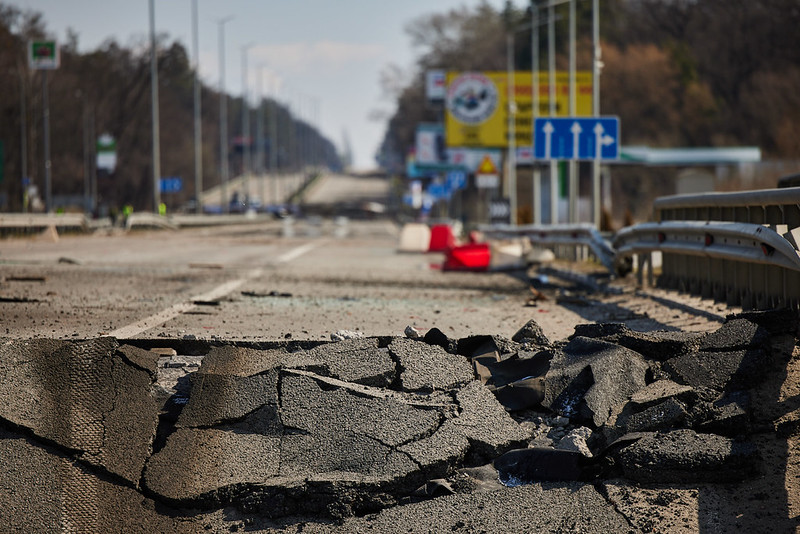
Beyond the tragic loss of life from conflict, its profound environmental impacts are scarring – and driving even greater advocacy to end conflict, particularly among religious leaders.
“The conflict we see around the world is a grave offense against our sacred common home,” said Dr. Francis Kuria, Secretary General of Religions for Peace. “As we mark Earth Day this year, we must all recognize that this is no time for celebration – we are all called to action to protect and preserve our sacred environment.”
The connections between conflict and the environment are many – direct and indirect – running in both directions. Conflict not only causes serious damage to the environment but can also be intensified by environmental stress, particularly global climate change.
How conflict – and preparing for conflict – drives environmental damage
The immediate damage to the environment caused by conflict is hard to ignore. In Gaza, the destruction of virtually every structure will require billions of dollars to rebuild – in turn generating millions of tons in greenhouse gas emissions.
The rebuilding of Gaza is projected to be one of the most expensive and carbon-intensive reconstruction efforts in modern history. According to a joint assessment released in April 2026 by the United Nations, the European Union, and the World Bank, the scale of destruction has set human development in the territory back by 77 years.
The situation is similar in places like Kyiv, Khartoum, Aleppo and numerous other cities that have been bombed intensively.
But environmental damage due to military activity is not limited to hot conflicts – and, more troubling, the extent of that damage is invisible and largely unknown, said Ellie Kinney, Senior Climate Advocacy Officer at the Conflict and Environment Observatory.
“By our estimates, militaries are responsible for 5.5 percent of global emissions,” Kinney said. “But the really concerning thing about that is that’s just an estimate — because we don’t know the true scale of the military’s contribution to global emissions. And that’s because militaries don’t have to report their emissions like every other section of the government does.”

To push for this critical transparency – what is not measured, cannot be managed – the Conflict and Environment Observatory launched its Military Emissions Gap website at COP26.
“More often than not, the kind of high emitting parts of conflict isn’t directly war fighting itself,” she explained. “Yes, there’s the dropping of bombs; yes, there’s the flying of planes that drop the bombs.
“But actually, it’s also and predominantly things like the destruction of urban areas, and then the need to rebuild that further down the line – that’s where a huge amount of emissions comes from.”
Frustrated with the lack of action on efforts to reduce greenhouse gas emissions, advocates gathered in Santa Marta, Colombia, in April for the First Conference on Transitioning Away from Fossil Fuels. Read more here.
Conflict in Southeast Asia, which has forced hundreds of thousands to flee their homes, is also driving environmental damage – and exacerbating the changes in climate.
In Myanmar, Religions for Peace has facilitated sessions in two communities, Nyaung Shwe in Southern Shan State, and Pakouk Ku in Magway division. In these areas, the devastating toll of five years of armed conflict has displaced entire communities.
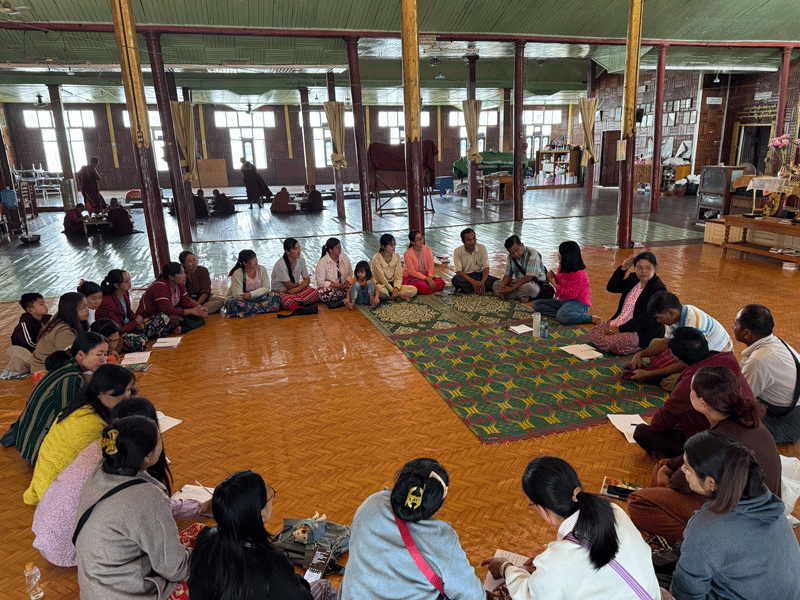
Under the program, Muslims, Hindus, Buddhists and Christians have come together through a series of training workshops and community activities supported by Religions for Peace.
In the community, the environmental impact is inseparable from the human one. Air strikes and bombings in Myanmar have not only destroyed homes but rendered the land itself a danger, littered with landmines and explosive materials.
The workshops particularly empowered women and girls in IDP (Internally Displaced Persons) communities to speak forcefully for reconciliation as a biological necessity.
“It’s likely a farmer will die if the farmer cannot work their land,” noted one participant, highlighting how the conflict prevents communities from accessing their livelihoods or planting crops.
For these women, peace is not a political abstraction—it is the ability to clear the land of explosives, rebuild a “little home” on their ancestral soil, and ensure their children can return to school without hindrance.
“Only nonviolence can solve all problems amongst humanity,” another participant said. “If they want real peace for civilians, (military and political actors) need to sit in dialogue.”
The program has entailed community clean-up activities, reinforcing care for the environment across generations and faiths.
Another devasting effect of conflict on the environment is the damage caused by huge displacements resulting in ad hoc refugee camps sited in most instances in marginal areas.
Huge immediate human settlements and refugee camps, particularly in Africa, has caused degradation of the flora and fauna as the immigrant communities forage for energy in the form of firewood and food, mostly wildlife.
Lacking basic infrastructure, virgin lands are quickly filled with solid waste and the pollution of water sources due to adequate sanitation. Such movements and environmental damage also bring the immigrants and refugees in conflict with resident communities.
How climate change is driving conflict
While conflict and military activity devastate the environment, at the same time climate change around the world sows the seeds of conflict.
According to climate scientists, the Sahel region of West Africa is experiencing the most dramatic changes in climate due to global warming than any other region. Temperature extremes and erratic rainfall are disrupting traditional agriculture practices, with scarcity of grazing areas leading to conflicts between farmers and pastoralists.
In northern Nigeria, the conflicts between the cattle-herding pastoralists, who traditionally follow rainfall in moving their herds, and farmers are often framed – misleadingly – as religious, said Fr. Cornelius Omonokhua.
“Desertification in the north has reduced arable land, triggering conflict with farmers,” Fr. Omonokhua said. “This environmental stress, particularly in the Lake Chad region, compounds insecurity. And all of this is interpreted in the light of religion – we’ve been battling with this.”
Meanwhile, in the country’s south, significant environmental degradation caused by the extraction of oil is also driving conflict, he said.
“The chemicals from oil spillage have made the waters no more healthy” he said.
Indeed, the oil spillage and unhealthy waters have killed off the fish that coastal communities have depended on for generations. This has caused resentment and incited attacks on oil facilities. Although this started small, the current situation has escalated dramatically with heavily armed non-state actors causing deadly conflicts and ransom-driven kidnapping in the Niger Delta.
Recognizing that religion was being weaponized in conflicts that were rooted in access to resources, poverty and competition for political support, the Nigeria Interreligious Council (NIREC) organized a WhatsApp group in 2024; today it connects more than 600 religious leaders from multiple faiths.
A recent webinar focused on outbreaks of violence in Nigeria’s Plateau State. WATCH the webinar here
“The situation in Plateau State reflects a wider Nigerian challenge – the intersection of identity, insecurity, governance gap, weak accountability systems,” said Dr. Sumaye Fadimatu Hamza, National Amirah of the Federation of Muslim Women’s Associations in Nigeria. “All this put together, we interpret through religious lenses (but) the reality is more complex…. Our religious profiling is compounding our issue.”
Meanwhile, Burkina Faso, Mali and Niger – three landlocked countries in the region – have been significantly affected by conflict for more than a decade, including experiencing multiple military coups. Erratic rainfall and intense heat have contributed to the insecurity.
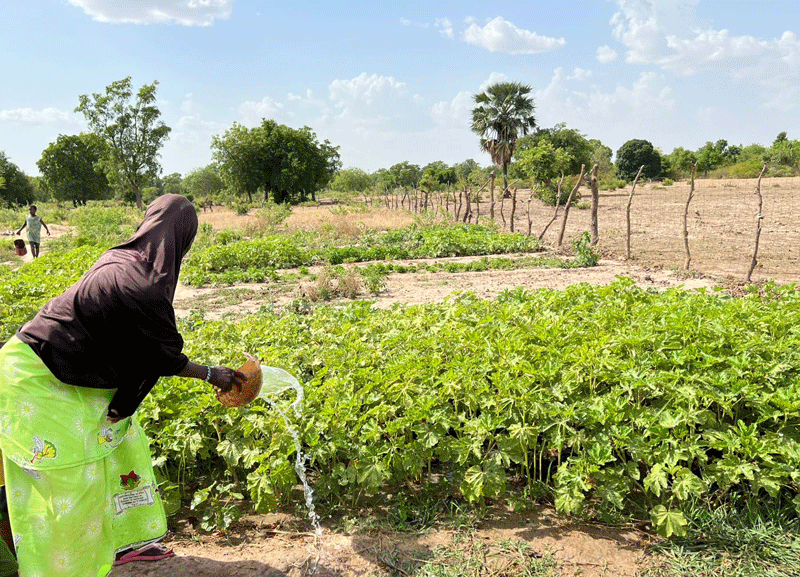
On a recent weekday in a village outside of Ouagadougou, the capital of Burkina Faso, Lydia Ndinda of the Africa Council of Religious Leaders-Religions for Peace, helped facilitate a session with community residents, religious leaders and government representatives.
“We are seeking two main outcomes,” Ndinda explained. “First, strengthened faith leadership through a collaborative framework that unites government, religious actors and gender inclusion to advance peace, resilience and environment restoration; and, second, broader recognition and ownership of these efforts – reinforcing commitment and long-term collective action.”
The program supports communities to install solar-powered water boreholes integrated with tree nurseries, creating a dual approach to address water scarcity and environmental degradation.
This model not only restores degraded land but also strengthens local livelihoods and climate resilience. It has already been successfully implemented and adapted by communities in Mali and Senegal.
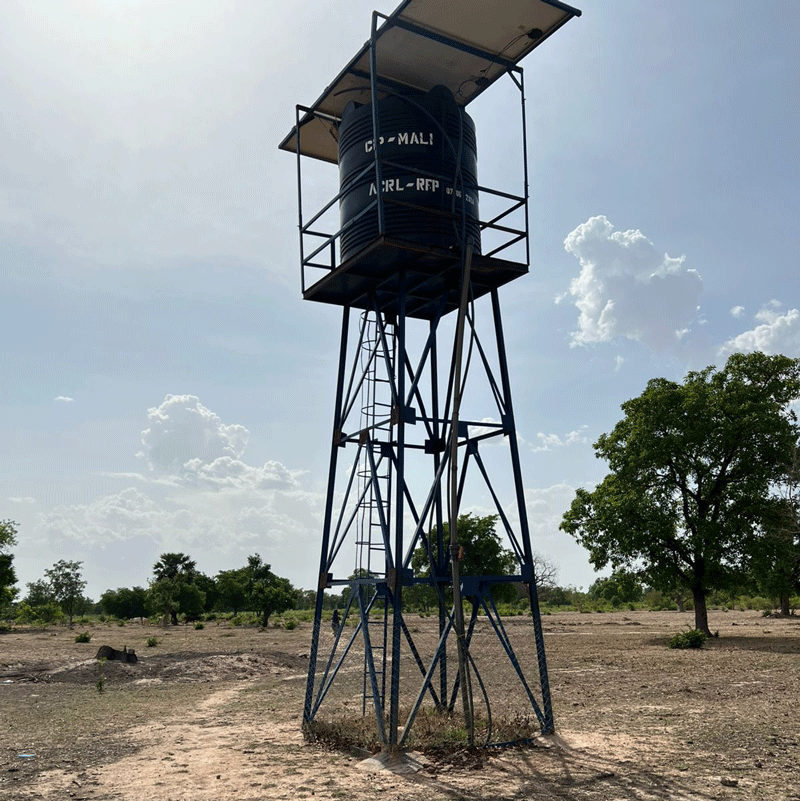
Beyond their functional role, boreholes serve as inclusive community hubs across the Sahel, spaces where women, youth, and men from Christian, Muslim, and African Traditional Religion backgrounds regularly interact. By intentionally leveraging these shared spaces, the program fosters interreligious dialogue, strengthens social cohesion, and enables locally led collaboration around both environmental stewardship and peacebuilding.
By creating consultative forums, the project is ensuring religious leaders reflecting on the environmental challenges and explore how faith leadership, gender inclusion, and coordinated action can strengthen peace and resilience.
“The whole program is focusing on environment restoration as a pathway to peace and conflict transformation, empowering women and youth as the main agency that drive this process,” Ndinda explained. “Religious leaders have been doing a lot, but they do it alone. At least having these forums, they can visibly say: ‘This is what we are doing… how can we now work together?’”
Climate-driven shocks expose a single underlying failure: systems that do not translate risk into protection. Read more on how the Africa Council of Religions Leaders-Religions for Peace is empowering faith actors to support institutions to assure shared sacred flourishing.
The intersection of environment and conflict are often complex, too, seemingly locked in cycles of destruction and violence. Consider the massive increase in gold mining around the world – driven by the dramatic increase in the price of gold, which has roughly doubled in just the past 12 months.
Gold is rarely found in pure forms – to separate it from other substances, mining operations use chemicals, such as cyanide, which is extremely toxic.
According to Farmonaut, a U.S.-based agricultural monitoring company, “Over 75% of global gold is extracted using cyanide-based processes, raising significant environmental concerns worldwide.”
The intensified mining not only damages the environment but leads to conflict because miners often set up in areas without permission of Indigenous people.
“Today in Peru, the biggest enemy to the environment is the illegal mining,” said Elias Szcztnicki, Regional Secretary General of Latin America and Caribbean Religions for Peace. “Indigenous people want to keep the natural environment; they want to protect the place where they live. But you have so much interest in entering these areas. Of course, this is the route of many conflicts.”
Centering the Sacred Can Heal the World
Interreligious collaboration holds the promise of both ending conflict and healing the environment – because achieving both entails holding human life and the life of our common home Sacred.
United by a shared sacred worldview holding that the Earth is a sacred community of life deserving reverent care, religious leaders of diverse faiths come together in communities large and small to heal the land.
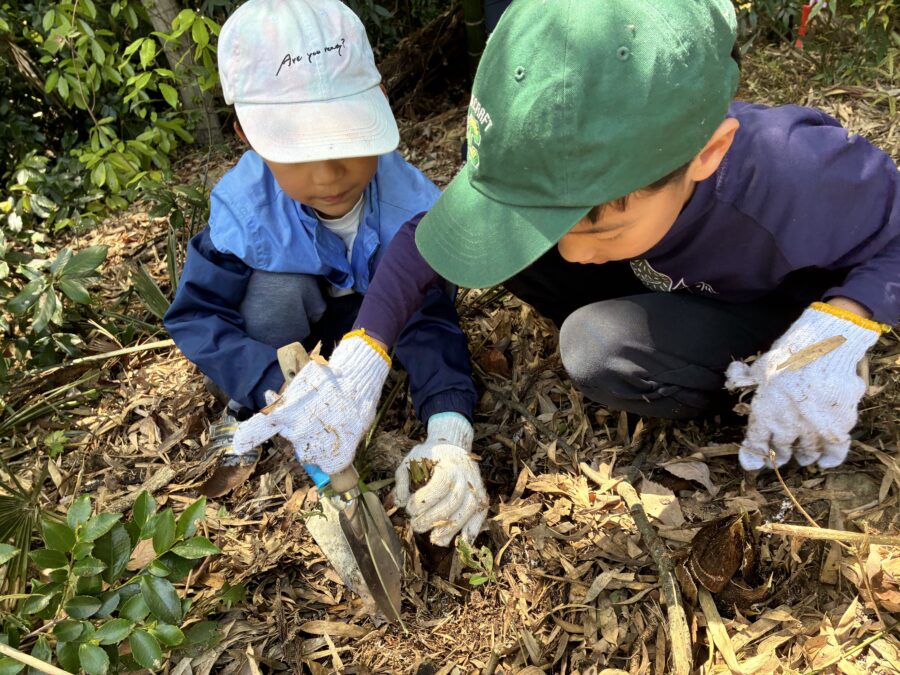
At the 2014 the 8th Assembly of Religions for Peace Asia in Incheon, South Korea, religious leaders initiated one such commitment that lives on. The assembly declaration stated, “National chapters supported by ACRP (should) establish environmental programs of planting at least one tree every year per chapter member” to preserve and restore the global environment.
Religions for Peace Japan searched for a place to grow a forest. The late Rev. Minoru Sonoda (Shinto Priest, Professor Emeritus of Kyoto University and the former Board Member of Religions for Peace Japan) led this initiative with Religion for Peace Japan’s Climate Task Force Team. The work subsequently began in the Sayama Hills in 2017.
Initially, the project area (10,000㎡) was densely populated with tens of thousands of bamboo stalks. It was like a dark jungle where other plants could not grow.
Abandoned bamboo groves can become hazardous as they grow rapidly and densely, increasing the risk of collapse, obstructing visibility, and invading nearby land. They also weaken soil stability and can exacerbate damage during heavy rain or natural disasters.
The goal was to bring back a healthy “Satoyama” – an area where people and nature live together – through cutting down the crowded bamboo and planting local trees like Konara Oak; controlling the growth of bamboo through careful monitoring; and picking bamboo shoots (takenoko) — not just for food, but also to manage the forest’s growth.
Addressing children who participated at this year’s forest management activity, Mr. Yuzo Akai, Secretary for the Archbishop and Communication Officer of Archdiocese of Tokyo, said: “The forest is alive. Just as your parents took care of you when you were small, the forest needs humans to take care of it, too. Today, let’s enjoy these bamboo shoots as a ‘thank you’ gift from the forest for our hard work.”