
Religious Leaders on the Frontline of Recovery Efforts in Venezuela
August 8, 2026On June 24, two large earthquakes devastated northern Venezuela – killing more than 5,000 people, with thousands more missing and presumed dead. Religions for Peace activated the Multi-Religious Humanitarian Fund to support the recovery. The appeal has generated more than $1,000 in donations — but the need is enormous. Please consider a donation today.
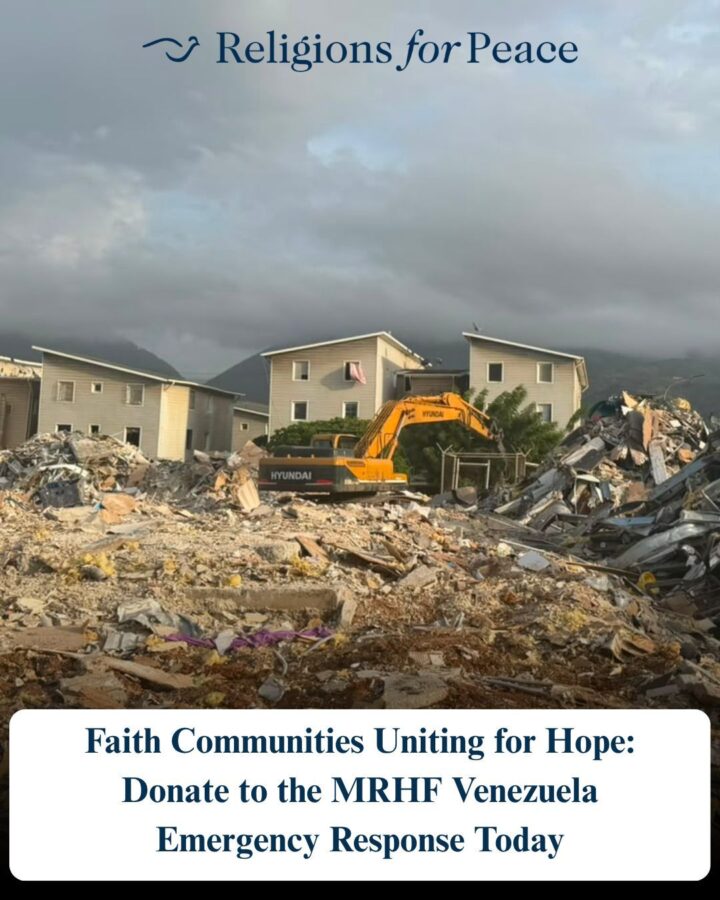 In late July, Rev. José Piñero, Coordinator of the Interreligious Council of Venezuela, an affiliate of Religion for Peace, and Gerardo Velázquez, Coordinator of the Religion for Peace Interfaith Youth Network provided updates on the recovery efforts.
Religious leaders are continuing to help their communities recover from the two devastating earthquakes that struck Venezuela on June 24, 2026. The earthquakes caused the deaths of more than 5,000 people by official estimates – but probably many more, said Rev. Piñero.
“Hundreds of thousands of people are grappling with unimaginable grief, loss, and destruction,” Rev. Piñero said. “The physical destruction is overwhelming, but the human toll is what truly breaks your heart.
“Thousands of families are living in tents in front of what used to be their homes. They refuse to leave because they are waiting to recover the bodies of their missing loved ones so they can give them a proper, dignified burial. People are exhausted, grieving, and standing in the heat with almost nothing.”
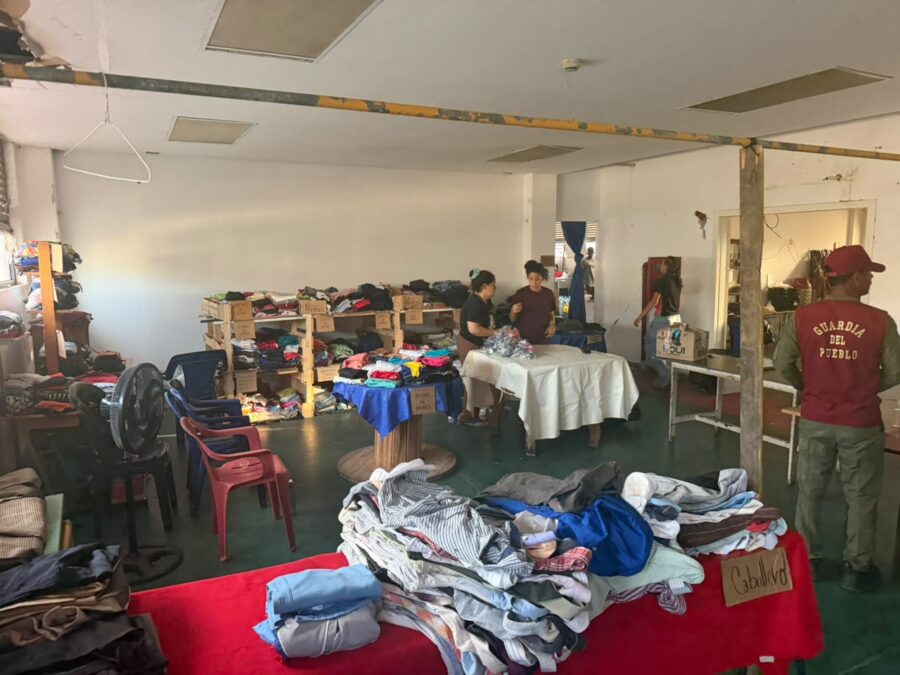
Velázquez said the impact on children has been particularly significant.
“When the dust settled, we realized our most urgent responsibility was protecting the youngest survivors—children who lost their homes in an instant,” he said. “By setting up safe spaces, community kitchens, and basic care through our local youth networks, we aren’t just giving them meals and medical support – we are giving them back a sense of safety and hope when everything around them has fallen apart.”
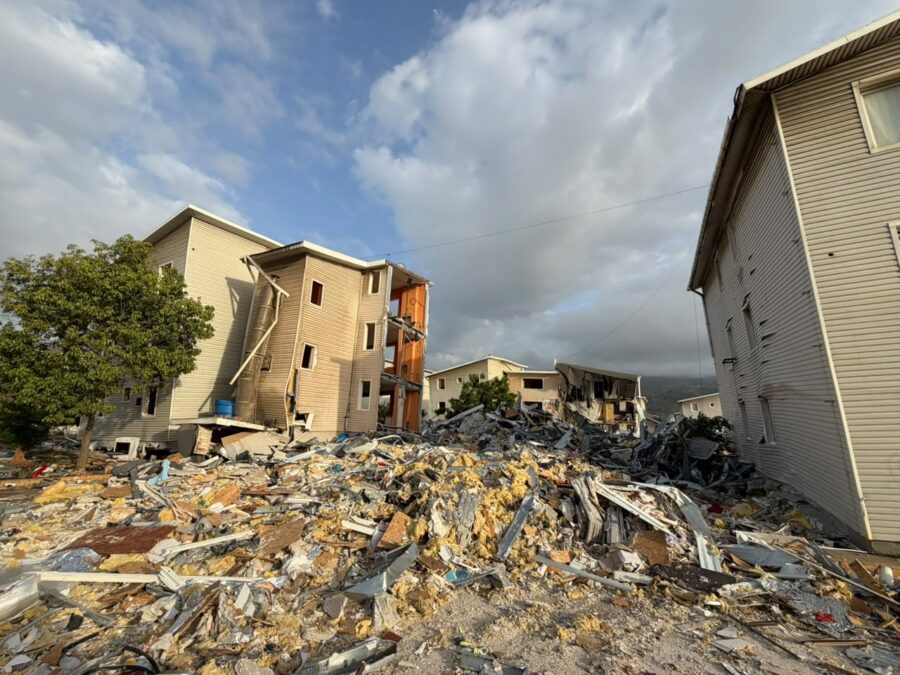
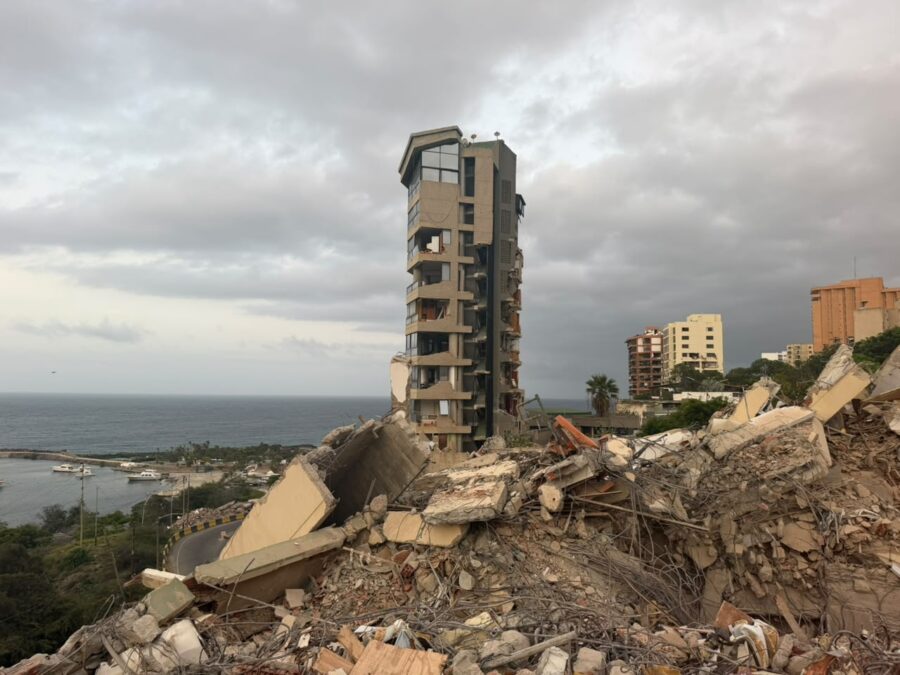
The earthquakes reduced entire neighborhoods to rubble. More than 55,000 buildings were destroyed or damaged overall. In one area where the Interreligious Council of Venezuela is supporting recovery efforts, over 850 buildings have suffered severe structural failure or total collapse, leaving an estimated 17,000 people displaced and sleeping on sidewalks, in parking lots, and in temporary tents pitched in front of their ruined homes.
Rev. Piñero and Velázquez are now working daily to support recovery. But they are facing immense needs, exacerbated by significant issues affecting governance and security.
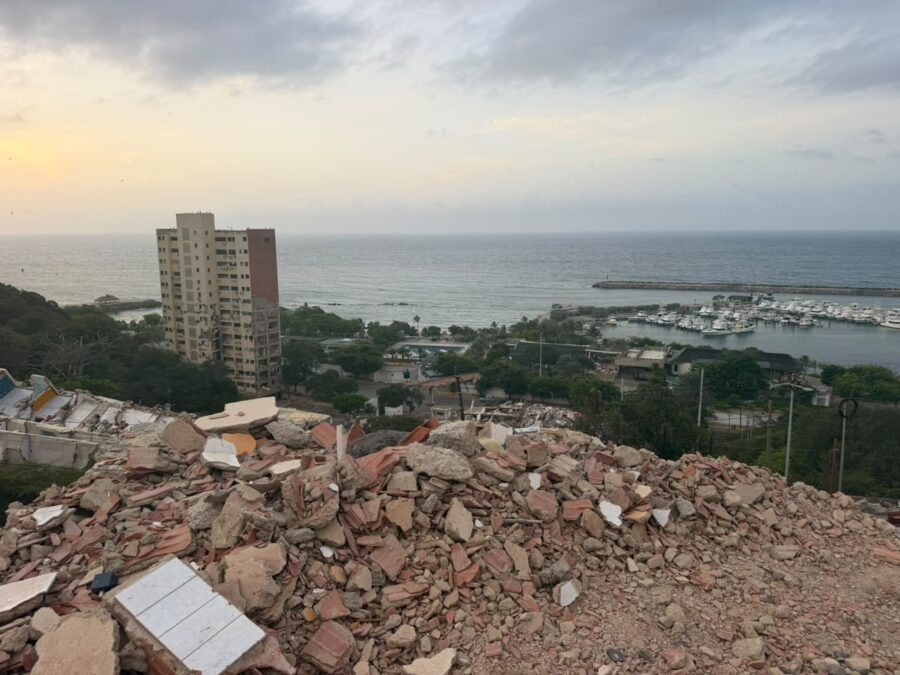
While official figures paint a grave picture, local assessments on the ground indicate a far more widespread catastrophe. Hospitals across affected regions are severely overwhelmed, struggling to treat thousands of injured survivors while facing critical shortages of basic medical supplies, clean water, and space.
Amid the physical devastation, the human toll is profound: families remain camped outside their former homes, waiting for the recovery of lost loved ones so as to grant them dignified burials before heavy machinery clears the debris.
In times of complex humanitarian emergencies, no single institution or organization can tackle the challenge alone. Recognizing the overwhelming need for coordinated, compassionate action, Religions for Peace has formally activated its Multi-Religious Humanitarian Fund to support critical recovery efforts across Venezuela.
Religious Leaders on the Front Lines
The core strength of Religions for Peace lies in our belief that when faith communities unite, hope and healing multiply. In a landscape often marked by political and social polarization, interfaith leaders in Venezuela are coming together in unprecedented solidarity.
“The response of religious leaders is not only important to provide basic needs like food, water and medicine,” said Deepika Singh, Deputy Secretary General of Religions for Peace and Director of Programmes. “Religious leaders play an instrumental role in building and maintaining social cohesion and resilience, which is particularly important during times of crisis.”
Mobilizing through a network of more than 200 local places of worship and grassroots faith centers that survived structural collapse, local leaders like Rev. Piñero and youth coordinator Velázquez are working tirelessly on the front lines.
They are navigating damaged infrastructure and rolling power outages to reach marginalized communities that might otherwise be overlooked.
These local faith hubs serve as vital lifelines, addressing the most urgent immediate needs:
- Food Security: Establishing community kitchens and distributing non-perishable food baskets to displaced families.
- Water, Sanitation, & Hygiene (WASH): Providing clean water purification systems and hygiene kits to prevent disease outbreaks.
- Medical & Healthcare Support: Delivering essential pharmaceuticals and basic medical supplies to overwhelmed local clinics.
- Psychosocial Care: Offering mental health support and trauma counseling to children and adults who have lost family members and livelihoods.
Special attention is also being given to children—many of whom survived because they were playing outside during the collapses but now face severe vulnerability amidst the chaos. Interreligious youth networks are creating safe spaces and protective environments where children receive nutritious meals, structured care, and emotional reassurance.
Empower Religious Leaders to Help Their Communities Heal
 The Multi-Religious Humanitarian Fund was established by Religions for Peace specifically to empower locally led, multifaith responses during moments of severe crisis. By channeling resources directly through trusted local religious institutions and interfaith councils, the Fund ensures that relief reaches impacted populations swiftly, transparently, and without bureaucratic delay.
As early emergency search-and-rescue teams transition out, local faith-based actors will remain in these communities for the long haul. They are not just emergency responders; they are embedded in the permanent fabric of these neighborhoods.
Through the Fund, our goal extends beyond immediate relief—we are supporting long-term rehabilitation, restoring social cohesion, and helping communities rebuild their lives with dignity.
However, the scale of this disaster requires urgent, collective generosity. Local leaders are ready to expand their reach, but funding shortages directly impact how many family food baskets can be packed, how many medical kits can be delivered, and how many temporary shelters can be supported.
How You Can Help Restore Hope
We invite our global family of supporters, partners, and friends to stand in solidarity with the people of Venezuela during their darkest hour.
Your contributions directly support interfaith relief operations on the ground. Your donation provides immediate food, clean water, medical aid, and trauma support to affected families, while laying the groundwork for long-term community recovery.