
We Must Hear the Voices of Afghan Girls and Women
September 3, 2026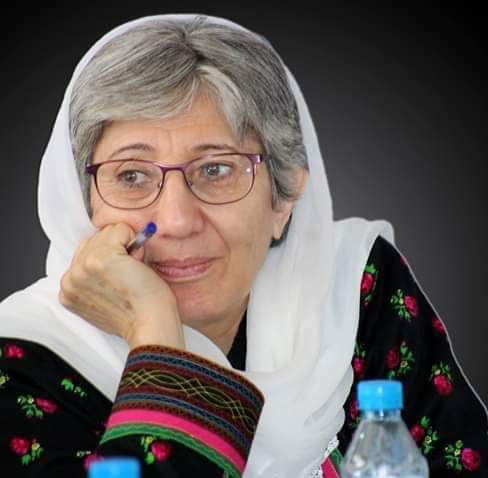
Dr. Sima Samar is a member of the Religions for Peace Advancing Gender Equality Standing Commission; Former Minister of Women’s Affairs in Afghanistan; Visiting Scholar at the Fletcher School of Law and Diplomacy at Tufts University; and Chair of the Board of Directors of the Afghanistan Human Rights Center. She is also the author of Outspoken: My Fight for Freedom and Democracy in Afghanistan.
The situation of girls and women in Afghanistan has become one of the most serious human rights and humanitarian crises in the world. Since the Taliban returned to power in August 2021, Afghan women and girls have faced sweeping restrictions on their education, employment, freedom of movement and expression, access to public life, and ability to participate in society.
The restrictions have progressively reduced the space available to women and girls outside the home and are imposing profound consequences for their personal freedom, economic independence, health and future.
The extreme, systematic and institutionalized gender-based discrimination and isolation in Afghanistan today began with the return of the Taliban in 2021. Since then, the Taliban regime has approved 160 laws, statements, procedures and guidelines to restrict the freedom and rights of women in girls in Afghanistan.
Virtually every aspect of the lives of girls and women has been negatively impacted – and almost two decades of steady progress – up to 2021 – has been undone.
Education: A Generation of Girls Being Left Behind
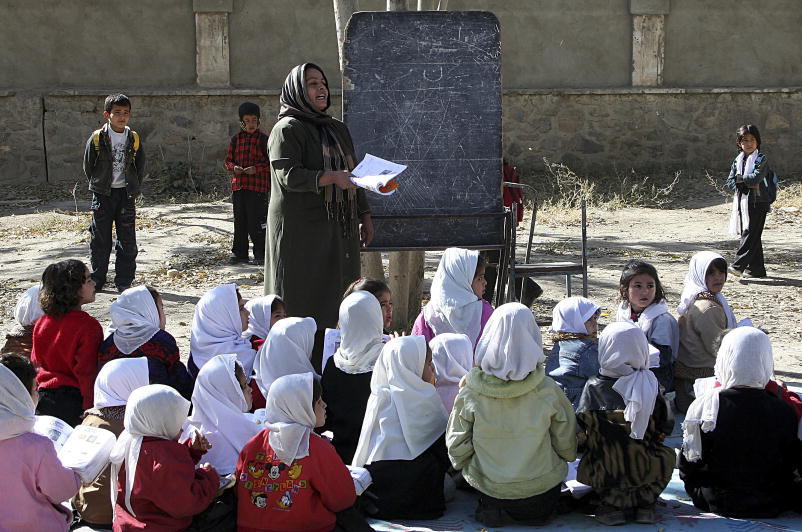
Education is one of the clearest examples of the deterioration of girls’ and women’s rights in Afghanistan. Girls have been prohibited from attending secondary schools since August 2021, and excluded from universities since December 2022. As a result, millions of girls and women have been prevented from continuing their education simply because of their gender.
The consequences extend far beyond the classroom. Unable to gain the knowledge and skills to participate in the economy, girls and women have seen their independence and economic and political opportunities severely limited. This further deprives society of the strongest tools for gender equality and stunts the country’s overall development and sustainable peace and security.
More than 80% of the female population in Afghanistan no longer has the opportunity to gain an education. They have consequently lost economic opportunities. This is evident in the increased rates of poverty and of child and forced marriage; maternal and infant mortality have also increased.
Restrictions on Employment and Economic Independence
Afghan women have also faced extensive restrictions on their ability to work. Women have been excluded from many jobs, including working with International NGOs and the UN. These restrictions not only violate women’s rights to work but also negatively affect families and the broader Afghan economy.
For many Afghan households, women’s income is vital. Preventing women from working can increase poverty and decrease women’s potential for independence, particularly in families headed by women.
Freedom of Movement and Public Life
Women and girls in Afghanistan also face severe restrictions on their freedom of movement. Rules governing clothing, travel and access to public space have made everyday life increasingly difficult.
The Taliban has imposed a system of complete social control by enforcing rules governing dress and behavior. Women who violate the law face detention, torture and sexual abuse. To move anywhere in public, women must be accompanied by close male relatives.
Access to Healthcare
Restrictions on women’s freedom and employment also have serious implications for healthcare. Women and girls need access to doctors, hospitals, education, health information, and reproductive rights, while Afghanistan also needs female healthcare professionals to provide services to women in a society where gender norms can make access to male healthcare workers difficult.
The effects are particularly concerning for women living in poverty, women with disabilities, female-headed households, and those living in far to reach areas. When restrictions make it harder for women to travel or work, their ability to obtain essential services can be reduced even further.
Freedom of Expression and Participation in Society
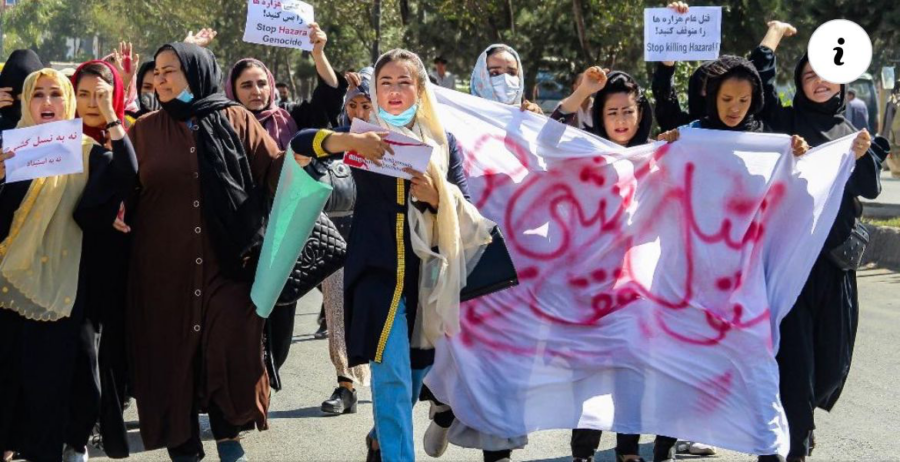
Afghan women have also experienced restrictions on their ability to speak publicly, participate in civil society, and advocate for their rights. Women who peacefully protest against discriminatory policies have faced intimidation, detention, and other forms of torture, including sexual harassment and violence.
In June, the Afghanistan Human Rights Center documented the use of excessive force by Taliban authorities against protesters in Herat province.
Despite these dangers, Afghan women continue to resist. Women inside Afghanistan and Afghan women living abroad have continued to speak about their experiences, campaign for accountability and justice, and document human rights violations to raise awareness about the dire situation in the country.
The Overall Impact on Afghan Society
The restrictions on women do not affect women alone; they affect families, communities, and the future of Afghanistan as a whole. A country cannot fully develop when half of its population is excluded from public life. Excluding girls from education deprives the country of future teachers, doctors, engineers, entrepreneurs, journalists, scientists, and community leaders. No country can achieve sustainable development and peace without human rights. The crisis is, therefore, not simply a women’s issue – it is an issue for all humanity.
The international community has repeatedly condemned the restrictions imposed on Afghan women and girls. But light condemnation is not enough – the international community must act to hold the leadership accountable for violations of international human rights law.
Although the situation is extremely difficult, Afghan women and girls continue to demonstrate remarkable courage and resilience. Some girls continue studying through informal or underground educational opportunities. Women continue working where they are permitted to do so, supporting their families, organizing communities, documenting abuses, and advocating for their rights.
But the reality is stark: The situation of girls and women in Afghanistan is a profound human rights crisis. Since the Taliban returned to power in 2021, girls and women, and all Afghans, have lost five years of opportunity. The consequences will likely extend for decades: girls who cannot go to school today are being robbed of their futures.
Yet Afghan women and girls continue to resist these restrictions and demand their basic rights. We must hear their voices.