
Preparations Intensify as Date Announced of the Religions for Peace 11th World Assembly
August 6, 2026Religions for Peace and the Abu Dhabi Forum for Peace have announced the official date of the 11th World Assembly of Religions for Peace. The event will be held in Abu Dhabi, UAE, Dec. 6-10, 2027.
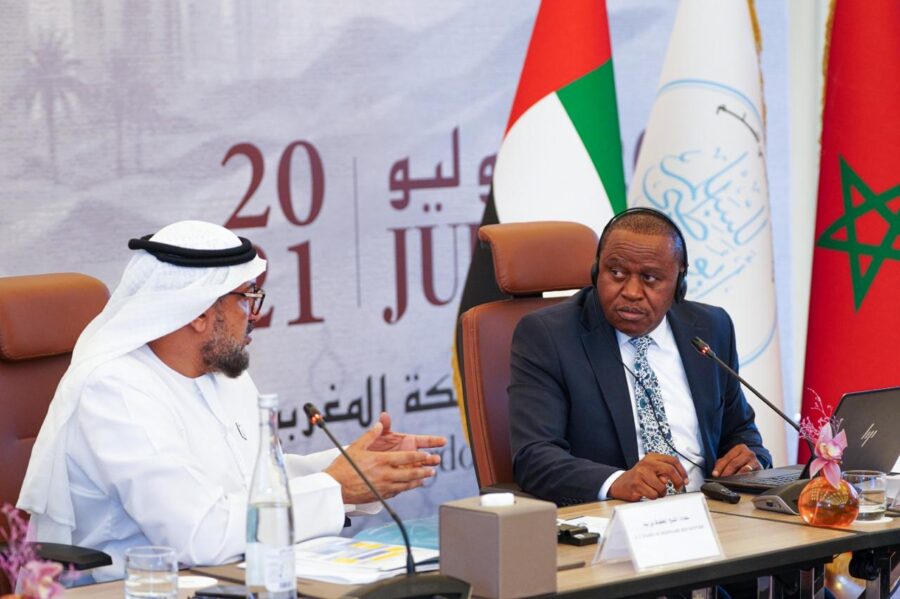
The World Assembly is the preeminent decision-making body for global multi-religious action. It is envisioned not merely as an international event, but as an intense, strategic cycle of legal, structural, and programmatic work designed to build the future blueprint of global interfaith cooperation.
“A World Assembly is a critical moment of action in Religions for Peace’s cycle of work” said Dr. Francis Kuria, Secretary General of Religions for Peace. “It’s an important moment because programme is at the heart of the World Assembly.”
The organization of the event is now moving forward energetically. Among the chief issues is nominating religious leaders around the world to attend the event.
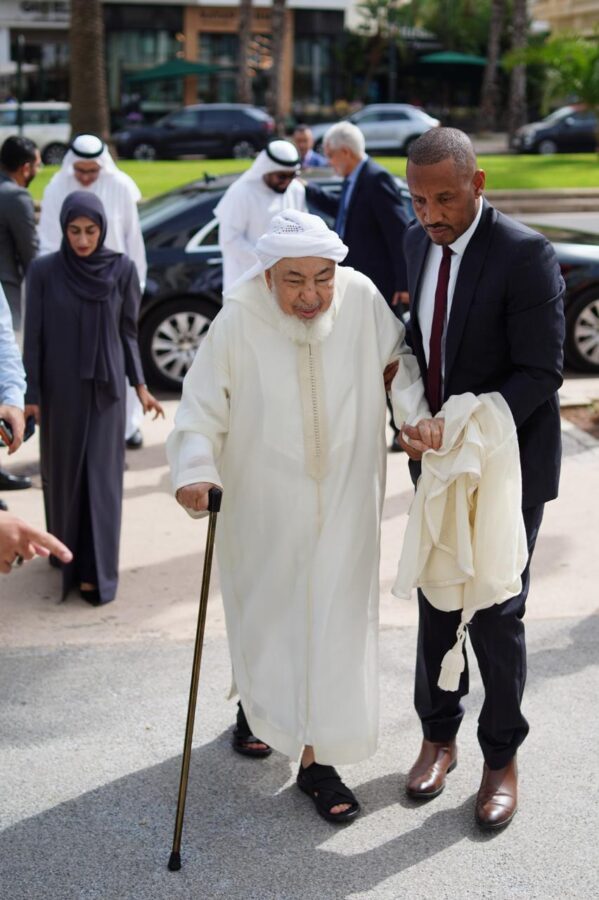
“While the Nominating Committee determines the number of delegates and their apportionment by region, the interreligious councils at the regional and national levels are responsible for nominating delegates to the Assembly and that process must now begin,” Dr. Kuria said. “There is a nomination process and above all delegates must be representative of the diverse faith traditions in each country.”
The International Standing Rules of Religions for Peace state that 35% of the delegates, including young leaders, shall be women and not fewer than 15% of the delegates shall be young leaders, which shall normally be understood to be men and women between the ages of 18 and 35.
The Nominating Committee with the approval of the Executive Committee also invites organizations, the purposes of which are compatible with those of Religions for Peace, as fraternal delegates.
Sacred Flourishing in a Changing World
Guided by the core theme of “An Alliance of Virtue for Sacred Flourishing,” the 11th World Assembly will present a unified global response to cascading worldwide crises, while uniting religious leaders toward strategic collaboration in building the common good. Hosting the event in Abu Dhabi reinforces the city’s legacy—envisioned by its founders like Sheikh Zayed as an “abode of peace”—as an international paradigm for understanding, coexistence, and human fraternity.
“We do not view the 11th World Assembly simply as another international gathering, but rather as a strategic platform to launch a new phase of multi-religious cooperation in serving peace, human dignity, and shared flourishing,” stated
“The World Assembly is the highest governance body of Religions for Peace,” said Religions for Peace Deputy Secretary General and Director of Programmes Deepika Singh. “In addition to electing our leadership, the World Assembly provides a platform to discuss and deliberate upon the issues confronting the world today to catalyse multi-religious actions and build stronger multisectoral partnerships”
H.E. Metropolitan Emmanuel, Elder Metropolitan of Chalcedon and Co-Moderator of Religions for Peace, added: “Shared sacred flourishing… is an initiative that we are bringing to the world. It’s a response for all of us to these worldwide crises.”
Setting Ethical Rules for the AI Era
A central objective of the 2027 Assembly will be confronting the unprecedented ethical and spiritual challenges posed by rapid technological advancement, particularly Artificial Intelligence (AI) and autonomous weapons systems. Leaders will use the platform to refine internal governance rules and urge global faith communities to stand united against forces that undermine human dignity.
“The time is the time for AI,” noted H.E. Sheikh Al Mahfoudh Bin Bayyah, Secretary-General of the Abu Dhabi Forum for Peace. “This assembly is going to be one of the best, and there’s going to be a paradigm shift for how we want the world to see religion united against haters, against racism, against everything that can lower human dignity in our time.”
Dr. Kuria emphasized the necessity for institutional modernization: “The purpose is to make decisions for long-term plans… This is the new era of AI. How do we need to adapt our standing rules to take cognizance of AI and any other developments that have happened, that need our governance mechanisms to be improved?”
Next Steps & Preparatory Process
To ensure concrete programmatic outcomes and a lasting legacy beyond 2027, the road to Abu Dhabi will feature a sequence of international consultations, thematic working groups, and strategic planning meetings.
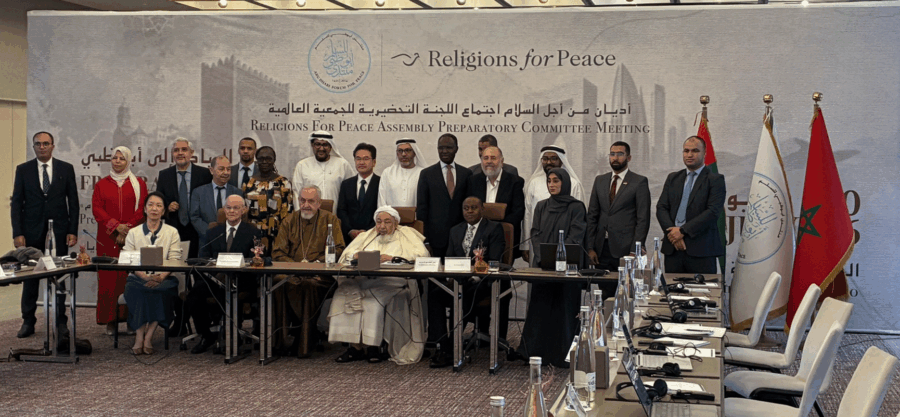
The formal planning cycle continued in July in Rabat, Morocco, where the Assembly Preparatory Committee held an official meeting; the next meeting is tentatively planned to take place in October.