
Religions for Peace International Youth Committee Adds Three New Members
April 29, 2026On a recent Friday in Bogota, Colombia, Andrés Quevedo, who teaches interreligious dialogue at St. Thomas University, took his students on a trip to a synagogue.
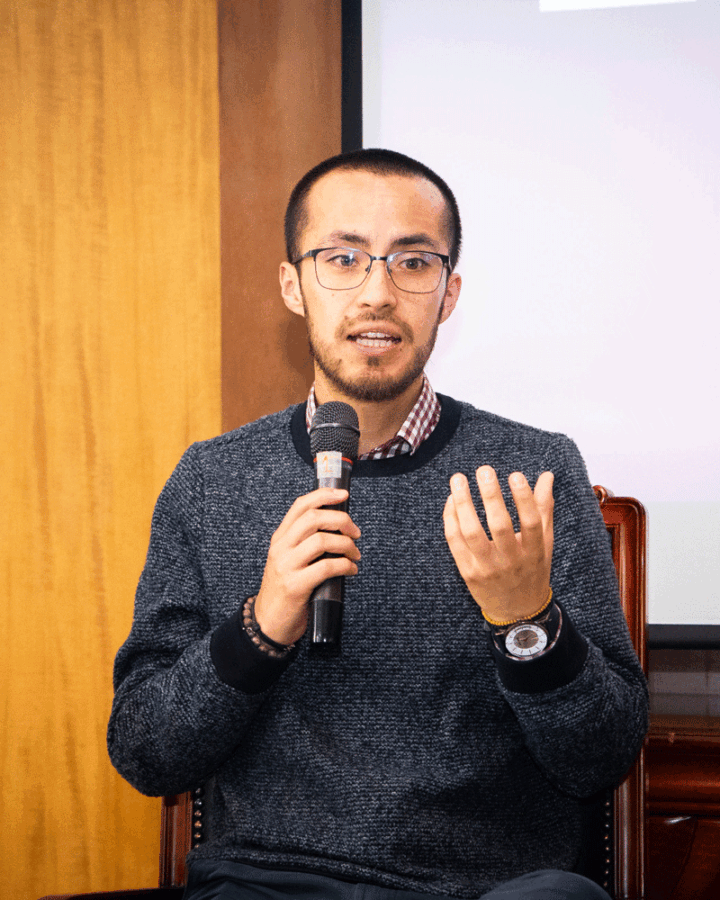
“It’s one thing to know a religion through the internet, or through pictures, or through books, or through explanations,” he recalled. “But it’s another thing to go to the place and to know the people, to see the thing – you know, the whole thing.”
Quevado started taking his students to sacred places about two years ago. They told him they liked it.
“I never did it before,” he said. “And I notice a change in my students. They may say, ‘Yeah, you can teach me… whatever you want’ – but then, if a Jewish person comes to talk, or a Buddhist monk, or if we can visit the place, we can encounter the real people. We need to think about opportunities of meeting with people from different religions.”
That spirit of dialogue and engagement across faiths is one he shares with two other young men – Kensuke Osada and Jivahn Moradian. Together, they comprise the new members of the Religions for Peace International Youth Committee (IYC).
“I’m very excited about the new members of the IYC, because all of them come from diverse experiences in the interfaith space,” said Dr. Renz Argao, President and Chief Executive Officer of Argao Health Inc., and Coordinator of the IYC. “They came highly recommended by the leaders of their religious communities. What I’m very excited about is the energy that these three young men bring.”
For Jivahn Moradian, interfaith experience has been fundamental – part of a life that has, indeed, involved exposure to difference of all types. Although he was born in Colorado, USA, to an American mother and Indian father, he has lived most of his life in outside of the USA.
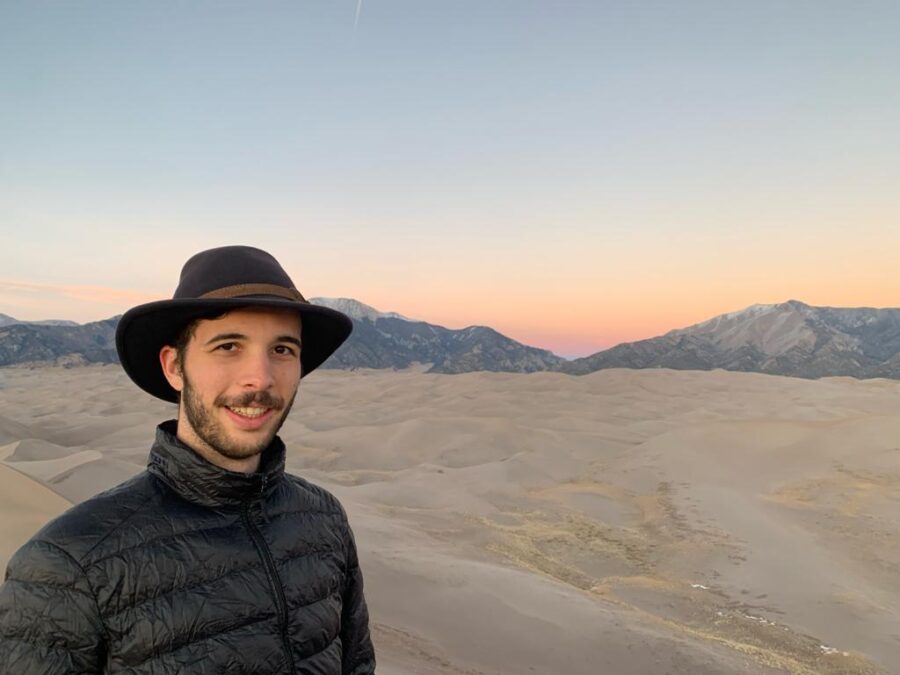
When he was four months old, his father’s work led the family to move to Chennai, India; when he was four years old, the family moved again, to Paris, France.
“That’s how I ended up growing up in France between ages 4 to 18, despite having no French blood at all,” he said. He returned to the U.S. to study at Princeton, earning a degree in economics, which he then complemented with a master’s degree in innovation and management in the United Kingdom.
Ultimately, however, side work as a career coach and tutor led him to start his own business, which he now manages full time in New York City.
“I thought I was going to be a nice, proper little econ boy and go into investment banking or consulting,” he joked. “I’d started doing (coaching and tutoring) during my master’s program to pay the bills. And then I realized that it pays way better than I expected, and I enjoy it way more than I expected.”
His Zoroastrian faith is a fundamental part of his life, and he did not hesitate when a fellow Zoroastrian put his name forward for the IYC.
“The idea of interfaith, intercultural dialogue, is quite important,” he said. “I tend to be quite cynical about the potential impact that a lot of international organizations can have…. But with Religions for Peace, it’ll be very interesting to see what can be done.
“Whether it’s just at least having a community of people that can support each other in each other’s groups, or, who knows, maybe we can actually try and get the world to like each other, which would be a tall order, but you never know.”
Much can be done in that regard by addressing hate speech, particularly on social media, he said.
“The entire social media ecosystem is set up to promote people who get a few very strong negative reviews above people who get a thousand lukewarm thumbs ups,” Moradian said. “It’s something that really needs to be fixed. We need to rely less on outrage; that is something which really needs to be targeted.”
Kensuke Osada holds a similar concern. A staff member of the Rissho Kosei-kai External Relations Group, Osada has used his university degree in English to support overseas members of the organization; now he is part of a team that promotes international interreligious dialogue and cooperation. He’s been involved in spiritual practices and peace activities within Rissho Kosei-kai his entire life.
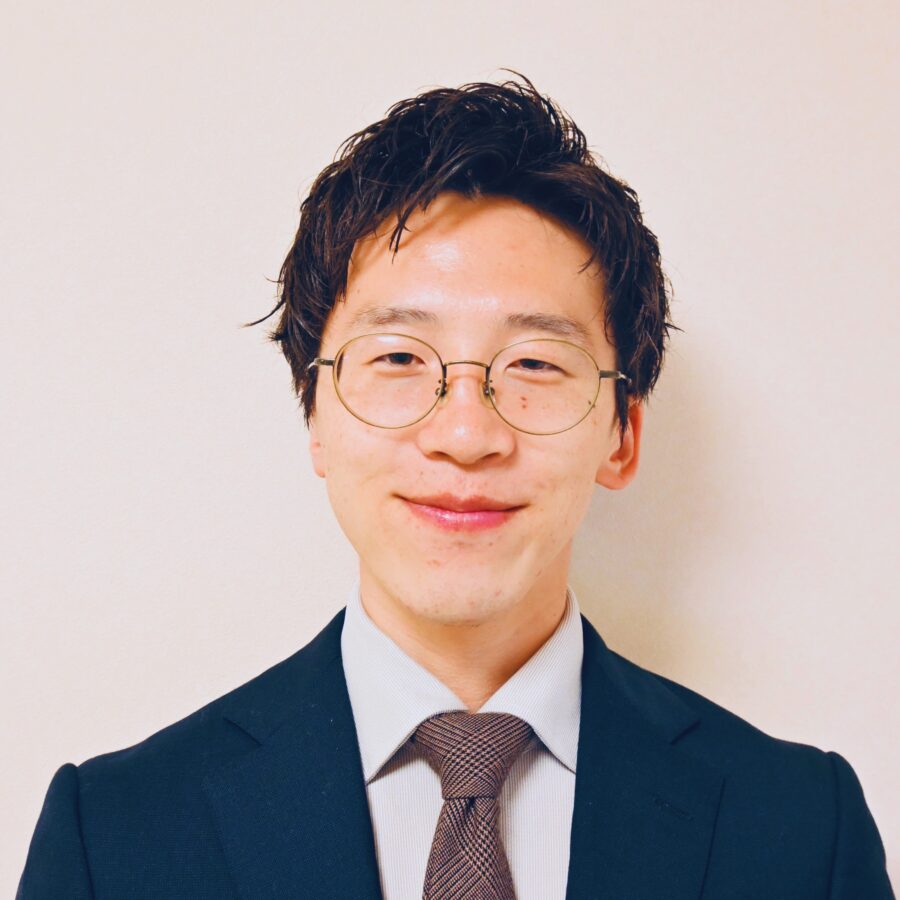
“In Rissho Kosei-kai, we, as lay Buddhists, learn to apply the teachings to our daily lives and seek spiritual growth and liberation by cultivating our Buddhist hearts,” he said. “When we plan a dialogue program for youth, we make it something that allows participants to reflect on their minds and hearts and gain a deeper understanding of themselves.”
While social media and AI technology can help young people connect, they also pose a challenge to the quality of those connections, he said.
“As the word ‘Kosei’ means to improve ourselves through encounters and interactions with others, one of the main teachings of Rissho Kosei-kai is how we can connect with people and use those encounters to improve ourselves,” he explained.
“We make full use of technology, of course, to connect people from different parts of Japan and around the world. But we cannot depend on technology too much. We use it to get connected, but we must be mindful of the importance of meeting in person.”
Osada said he was particularly aware of the importance of Shared Sacred Flourishing.
“I think it’s truly inspiring,” he said of the framework launched by Religions for Peace in 2025. “‘Shared’ has been a core idea of Religions for Peace and a central theme of its world assemblies over the past decades – it’s a deeply significant concept.”
Andres Quevado shares that sentiment. Shared Sacred Flourishing, he noted, also calls for action, which is urgently needed to promote the dignity of all people.
“Young people want to help to build a better world,” Quevado said. “You don’t do that with documents; you do that with actions… and the ideas related with flourishing. That’s why I like that concept.”
Quevado is currently studying for his doctorate in orthodox theology and sees himself continuing to embrace teaching and research.
I enjoy “trying to open (students’) minds and helping them to know each other,” he said. In learning about their religious traditions, young people can reduce prejudices, he said.
“There are always prejudices,” he said. “But (education) is nice because it helps you to finish or to change this way of thinking.”
The new members’ enthusiasm for interreligious dialogue and collaboration will be welcome as the IYC plans to launch the framework to members of youth committees around the world in coming months – among numerous other initiatives, Argao said. The IYC also hopes to add at least one more new member – particularly a representative from the Middle East and North Africa (MENA) region, he said.
“Now that we’re having three new members, I believe that their contributions should really help us move forward with the projects that we have in mind,” Argao said.