
Religious Leaders Champion “Shared Sacred Flourishing” on Margins of UN Forum
April 29, 2026On the margins of the 2026 Forum of the Countries of Latin America and the Caribbean on Sustainable Development, religious leaders and global development partners convened to move Religions for Peace’s transformative Shared Sacred Flourishing paradigm from academic discussion into the “streets” of practical labor.
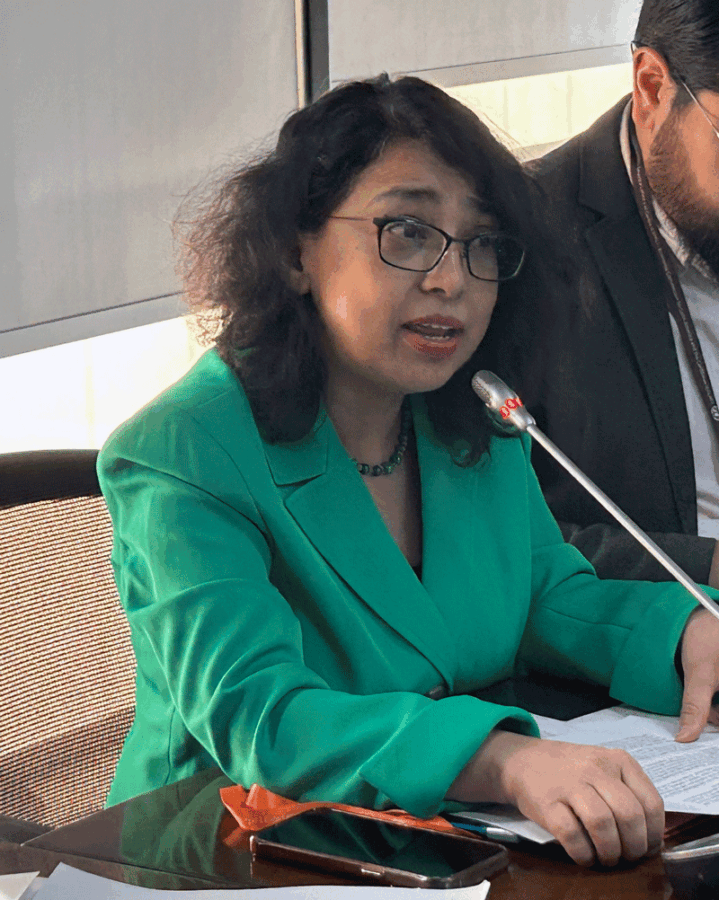
“The global polycrisis of climate change, conflict and alienation has made it obvious that centring the Sacred is not just an option – it’s an existential necessity,” said Deepika Singh, Deputy Secretary General of Religions for Peace at the event. “To address the polycrisis, we must centre the Sacred.
“(This means) applying the unifying concepts that comprise our Shared Sacred Worldview to the challenges we face. These concepts are the pillars of a framework we call Shared Sacred Flourishing; these concepts should fundamentally guide activities aimed at improving human life – and indeed all life.”
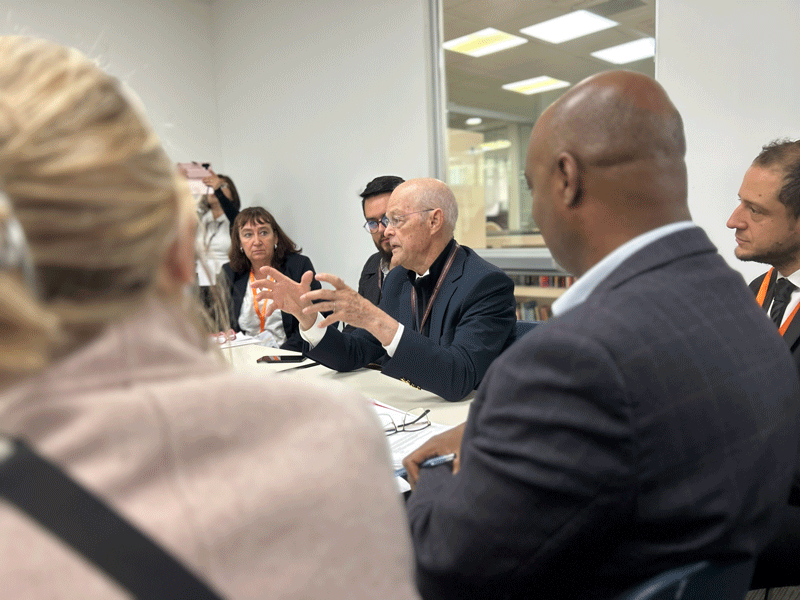
The Shared Sacred Flourishing framework has grown out of the development work of Religions for Peace over many years. The framework is aligned to achieving the Sustainable Development Goals (SDGs) – but goes further. By centering the Sacred, Shared Sacred Flourishing deepens, reframes and energizes the SDGs by addressing how centring the Sacred makes transformation possible.
“Today’s prevalent reductionist, materialistic worldview severely distorts the concept of flourishing by excluding the Sacred,” said Dr. William Vendley, Secretary General Emeritus of Religions for Peace and director of the New Alliance for Virtue. “This exclusion of the Sacred profoundly wounds the human family, fostering isolation, a loss of meaning, cruel exploitation, and a wanton disregard for the Earth.”
Elias Szcztnicki, Regional Secretary General of Religions for Peace for Latin America and the Caribbean, said the gathering marked a pivotal moment in aligning the power of faith with the global pursuit of the SDGs.
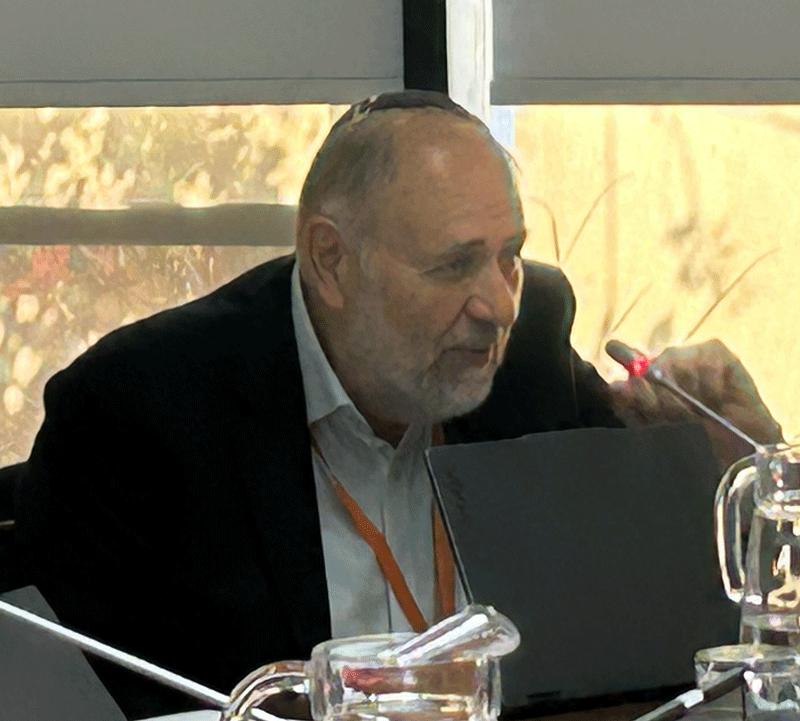
Above all, he said the meeting supported translating the Shared Sacred Flourishing framework into a concrete action plan for religious leaders and development practitioners across the region. Such a translation from theological principles into practical action will help religious leaders and others integrate the concepts into the daily work of faith communities.
“Faith has a critical role to play in development,” Szcztnicki said. “If we bring the power of the faith – faith can help to advance the agenda of the SDGs.”
With only four years remaining to achieve the 2030 Agenda, many global stakeholders are sensing a crisis of momentum, he added. Szcztnicki emphasized that faith is the missing force that can “renew” the SDGs – particularly given that most people around the world – including more than 90 percent in Latin America and the Caribbean – say that faith is critical in their daily lives.
“This is not a discussion between left and right about the role of the state,” he said. “This is a discussion about advancing human fellowship, and this transcends political differences.”
One of the most moving outcomes of the forum was the reception from UN officials. In a traditionally secular space, the presence of an interreligious alliance provided moral support to international civil servants.
By presenting the Shared Sacred Flourishing paradigm to UN agencies and international organizations, Szcztnicki said Religions for Peace is opening a door for deeper, more effective partnerships that were previously hindered by secular hesitation.
The meeting also highlighted the strength of the “Trilateral Partnership,” a network of networks connecting faith-based organizations across the Global South (Latin America/Caribbean, Africa, and Asia). This coalition ensures that the voices of the most impacted regions are heard in New York and Geneva, proving that religious cooperation is not just a local effort but a global necessity for sustainable development.
“We need to go out from our home,” he said. “We need to bring this idea to other platforms… not in a closeted place, not only inside the faith community. We need to bring this discussion to the street.”
“As religious leaders look toward the upcoming International Council meeting, ‘Forging Pathways to Shared Sacred Flourishing,’ set for Mauritius in June, the Santiago meeting served as a blueprint,” said Dr. Francis Kuria, Secretary General of Religions for Peace. “It reminds us that our sacred traditions offer more than just prayers; they offer a practical, dignified, and high-energy pathway to a world where all may truly flourish.”