
There is Hope and Promise for Haiti
September 4, 2026By Pierre R. Julien
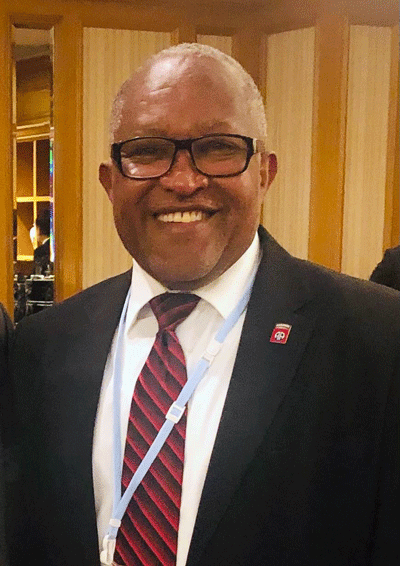
Rev. Julien is the President of Religions for Peace – Haiti
On the night of August 23, another Haitian community became the scene of devastating violence.
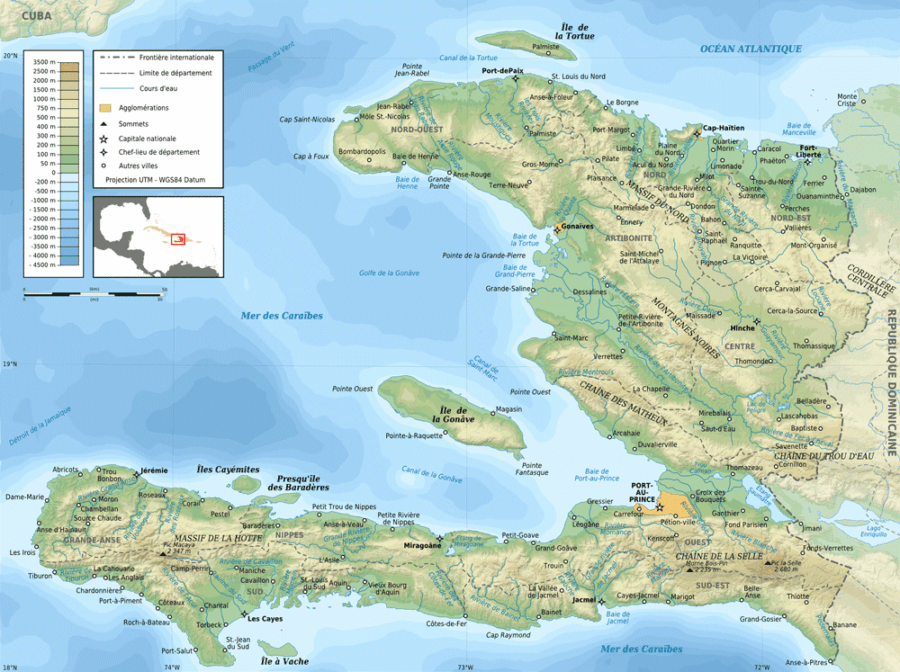
Armed men attacked communities in Kenscoff, in the mountains overlooking Port-au-Prince. At least 47 people were killed, including five children. Others were wounded, dozens were abducted, homes were burned, and families were forced to flee.
These are more than statistics. They are fathers and mothers, sons and daughters, neighbors and friends—people seeking what every human being desires: safety, dignity, the ability to care for their families, and hope for a better tomorrow.
The tragedy in Kenscoff is particularly painful because it is not an isolated event. It reflects a prolonged crisis affecting communities throughout Haiti. Nearly 1.5 million Haitians have been internally displaced, millions face acute food insecurity, and thousands have lost their lives to violence.
Yet Haiti must not be defined only by its suffering.
Across the country, Haitians continue to demonstrate extraordinary courage, faith, and solidarity. Religious communities serve those in need. Families receive displaced relatives and neighbours. Humanitarian organizations continue their work under extremely difficult conditions. In the midst of the crisis, these acts of courage and solidarity give reason for hope.
At the same time, the scale and persistence of the crisis demonstrate that much more must be done. Haiti’s challenges cannot be viewed only through a domestic lens. The crisis has both internal and external dimensions, including the illicit flow of firearms and ammunition into the country, which continues to fuel violence and deepen human suffering.
No single institution, sector, or community can address a crisis of this magnitude alone.
Within Haiti, there is an urgent need for reconciliation—a reconciliation grounded not in forgetting the past or overlooking wrongdoing, but in truth, justice, repentance, and forgiveness. Rebuilding trust, healing deep divisions, and restoring a shared sense of purpose are essential to a more peaceful future.
Beyond Haiti, sustained international cooperation is needed to address external factors that contribute to violence and instability. Concern must ultimately lead to action. What is needed now is the collective will to help create the conditions for lasting change.
Religious communities have a particular contribution to make. Across different faith traditions, there is a shared conviction in the dignity and sacred value of human life. Faith communities can build bridges, encourage dialogue and reconciliation, strengthen communities, and help cultivate a culture of peace.
The tragedy in Kenscoff reminds us of the urgency of this mission, but it must not define Haiti’s future.
Peace remains possible. Hope remains alive. Lasting change will require truth, justice, reconciliation, cooperation, and action—within Haiti and beyond its borders.
With a shared commitment to human dignity and peace, a different future for Haiti remains possible.