
‘We Urgently Need Additional Support’: The Ebola Outbreak is Rapidly Spreading in Democratic Republic of Congo
September 2, 2026For the past two weeks, Rev. Kinyamba Lunge, Secretary General of the Interreligious Council of Democratic Republic of Congo (DRC), has been witnessing growing alarm in Kinshasa, the largest city in DRC, as rumors of Ebola cases in the city spread.
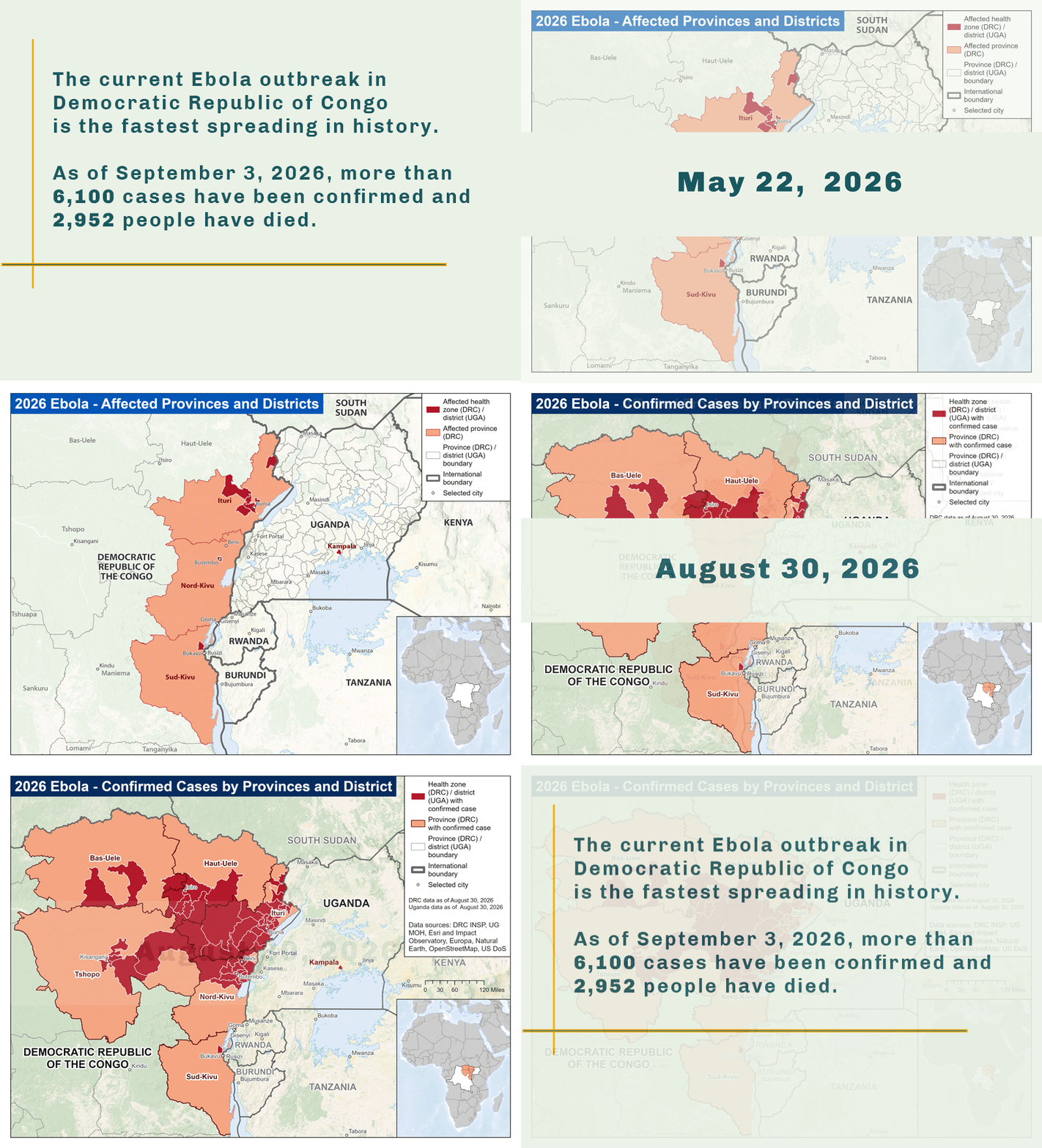
This interactive map provides latest data on the Ebola outbreak.
“People are very nervous, very concerned,” he said recently. “Right now, we have suspected cases in Kinshasa, but the government health authorities have not confirmed any.”
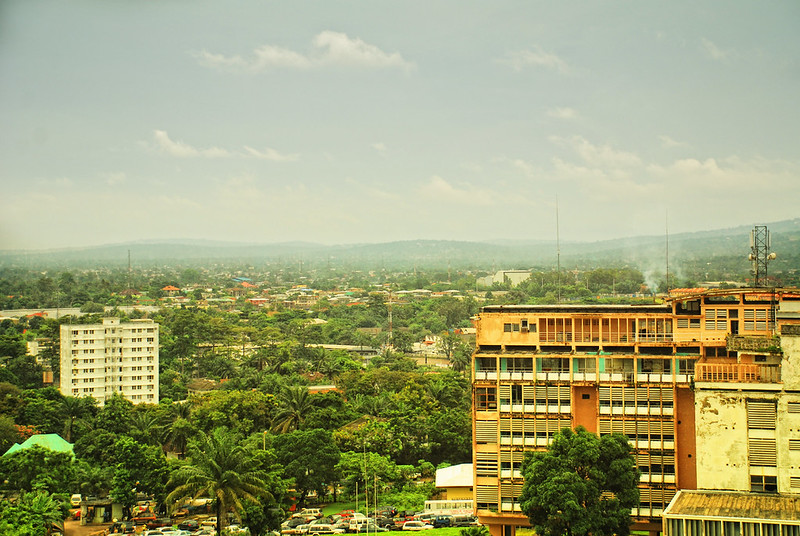
In Africa, only metropolitan Lagos in Nigeria and Cairo in Egypt are larger than Kinshasa. The city of approximately 20 million is extraordinarily crowded – in the core urban zone (roughly 600 square kilometers), the population density exceeds 27,000 people per square kilometer (around 70,000 per square mile).
If it reaches Kinshasa, the highly contagious and deadly Ebola virus could turn DRC’s Ebola outbreak, already the largest ever in the country’s history and the second largest ever in Africa, into a catastrophe of epic proportions.
The current DRC outbreak is already the fastest-growing Ebola outbreak on record, reaching over 1,000 cases in just 40 days. In comparison, the 2018 Ebola outbreak in DRC took approximately 235 days to reach more than 1,000 cases; the West Africa Ebola epidemic took about 120 days to reach 1,000 cases.
The 2014-2016 West Africa Ebola epidemic remains the largest in history; it caused over 28,600 cases and more than 11,300 deaths across Guinea, Liberia, and Sierra Leone. The current epidemic in DRC, caused by the Bundibugyo ebolavirus strain, has registered over 5,700 confirmed cases and more than 2,700 deaths in the DRC.
For the moment, the rumors in Kinshasa have remained rumors, but as the Ebola outbreak continues to expand in the eastern provinces of the country, religious leaders are intensifying their efforts to support the public health response. Under the Faith and Positive Change for Children, Families and Communities program, Religions for Peace and UNICEF are partnering to support these efforts.
“Imams, priests and other religious leaders are in the areas where the sickness is concentrated and they are doing what they can to raise awareness,” Rev. Kinyamba said.
The religious leaders’ work also includes supporting treatment – roughly half of health facilities in DRC are operated by religious institutions. The Interreligious Council of DRC is closely collaborating with government health authorities to mobilize response.
A number of factors make responding to the current Ebola outbreak challenging, according to public health experts. DRC has limited health infrastructure, particularly access to diagnostic and laboratory services. In addition, ongoing conflict in the eastern part of the country, where multiple armed groups jockey for control, creates security issues, complicating contact tracing and infection prevention and control.
Health workers in the area recently went on strike due to lack of payment of their salaries and some have been attacked. A shortage of personal protective equipment has led to some becoming infected themselves.
People in eastern DRC move frequently across borders to Uganda, South Sudan and Rwanda – increasing the risk of Ebola’s spread.
Of particular relevance to religious leaders, people lack trust in the government in the affected areas.
“If you ask people who they trust in these many communities, it is religious leaders,” Rev. Kinyamba said. “They will listen to the guidance from their imam, from their priest, from their reverend or traditional religious leader. That is one reason our work is so critical at this time – not to mention that we are there, living among the people, and will always be there.”
Finally, misinformation makes communicating about Ebola more difficult. In some affected areas, people have blamed the outbreak on the Indigenous forest-dwelling communities—Bambuti (Mbuti), Efe, and Batwa (Twa). Among Africa’s oldest surviving hunter-gatherer cultures, these people’s lifestyles, and separation from city-dwelling peoples, makes them a target, Rev. Kinyamba said.
“We are telling people that the virus is not caused by the Indigenous populations,” he said. “People think that because they live in the forest they must have brought the virus.
“Some are also saying that it is sorcery, which we also explain is not the case.”
Religious leaders are overwhelmed by the extent of the work that must be done, he added.
“We know we must reach the people but the challenges are great,” he said. “We urgently need additional support.”