
2026 International Council Meeting
Forging Pathways for Shared Sacred Flourishing
The Hope for Peace Amidst Increasing Conflict
In an era of intensifying and interconnected global crises—ranging from climate-driven displacement and sovereign debt to the erosion of the international rules-based order—the mandate for interreligious collaboration has become both urgent and indispensable. Recognizing that existing frameworks are often inadequate to address these modern complexities, Religions for Peace, in partnership with the Council of Religions-Mauritius, will convene the 2026 International Council Meeting from June 23–25.
This gathering, by invitation only, will leverage the “Shared Sacred Flourishing” framework to mobilize global faith leadership toward a “whole-of-society” approach, focusing on the intersection of human dignity and emerging challenges like artificial intelligence, climate change and debt relief, and institutional mistrust. By centering the relational well-being of humanity and the planet, the meeting aims to forge actionable pathways for peace and social cohesion while setting the strategic priorities for the upcoming Religions for Peace World Assembly.
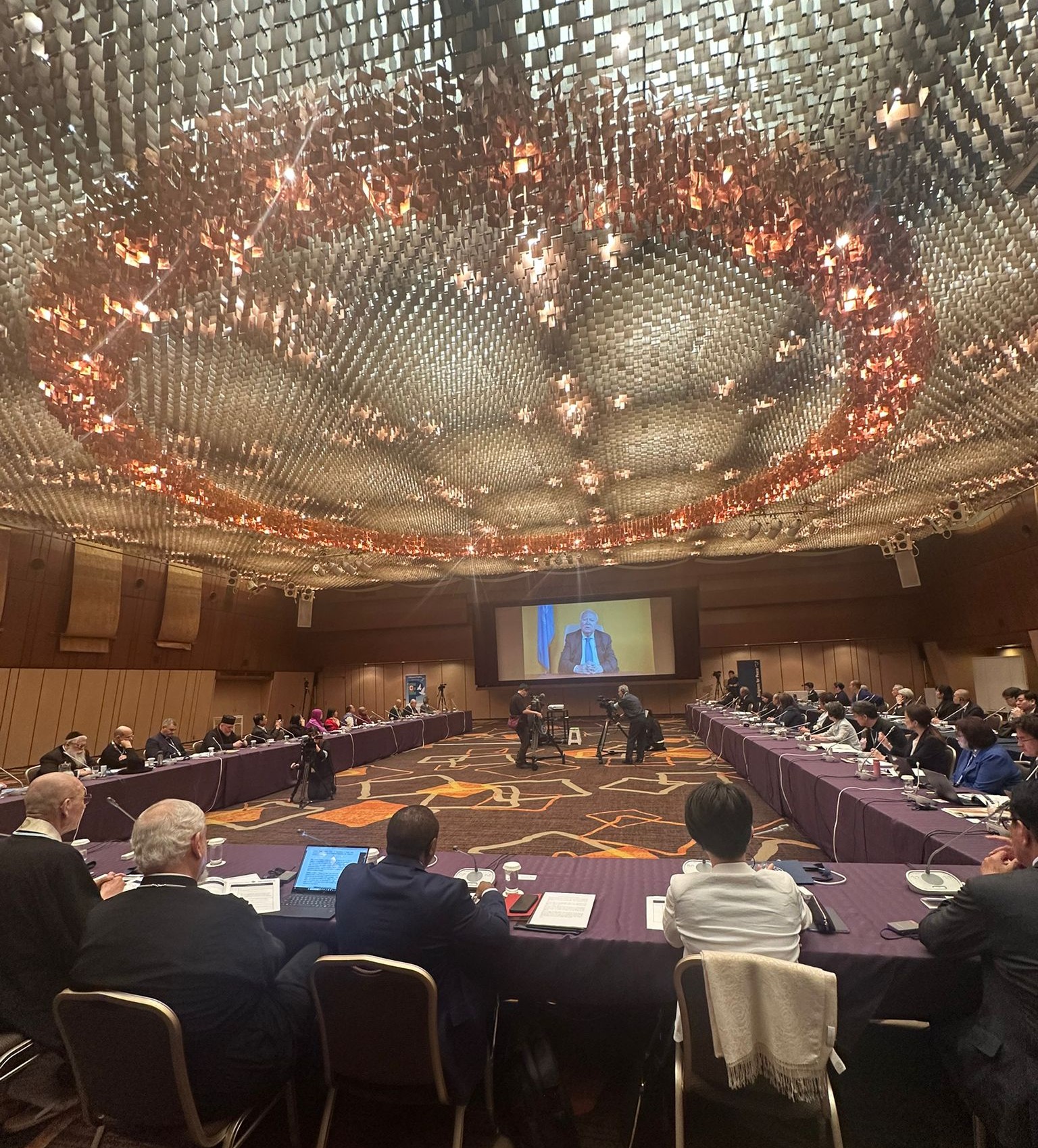
Photo: “Beyond War and Towards Reconciliation: Multi-Religious Peace Roundtables” — the 2025 Tokyo Peace Roundtable.
Facilitating Participation of Women & Youth
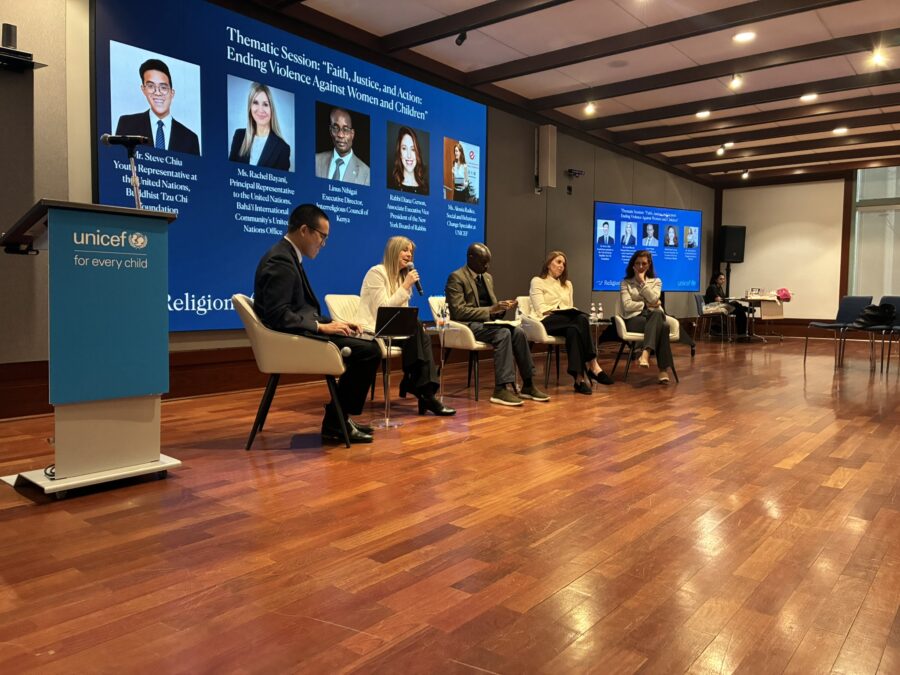
Meetings of the Religions for Peace International Women’s Coordinating Committee and Religions for Peace International Youth Committee will also take place on the margins of the 2026 International Council Meeting.
The 2026 International Council meeting will also serve as an opportunity for the International Council’s governance functions, while providing space for reflection to inform priorities in the lead-up-to the next Religions for Peace World Assembly.
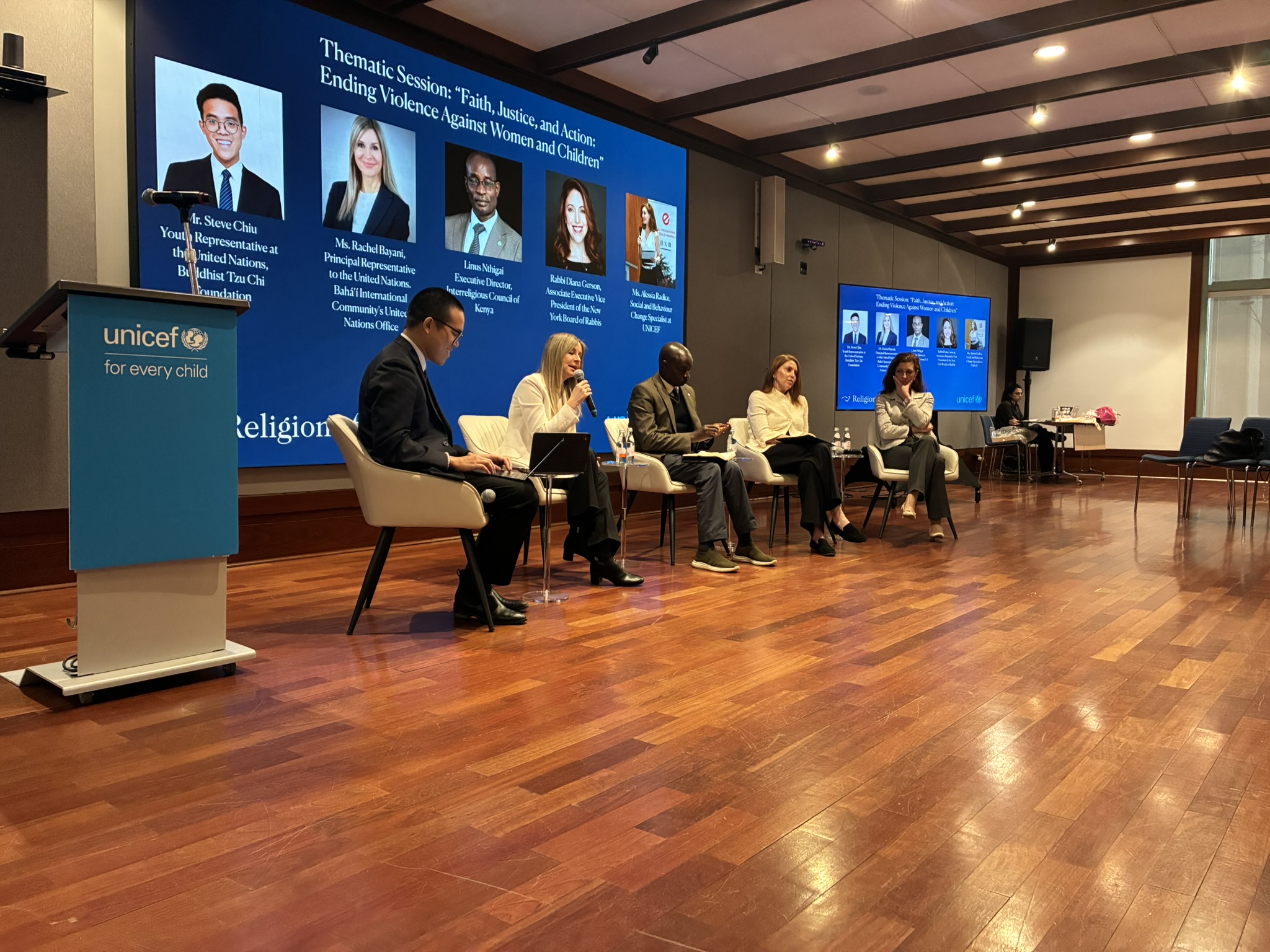
Photo: “Women of Faith Leading Change: Addressing Violence Against Women and Girls” panel discussion held during the UN Commission on the Status of Women, March 2026.
Sacred Values, Practical Responses
Contemporary global challenges are increasingly shaped by interaction of technological and systemic pressures on societies and institutions. The 2026 International Council Meeting will feature insights from leading experts in three thematic areas: Artificial intelligence (AI); Climate change and debt relief; and Multilateralism. Together, these thematic dialogues will support reflections and discussion to improve understanding and articulation of how the re-centring of sacred values and virtues can guide practical responses to contemporary global challenges.
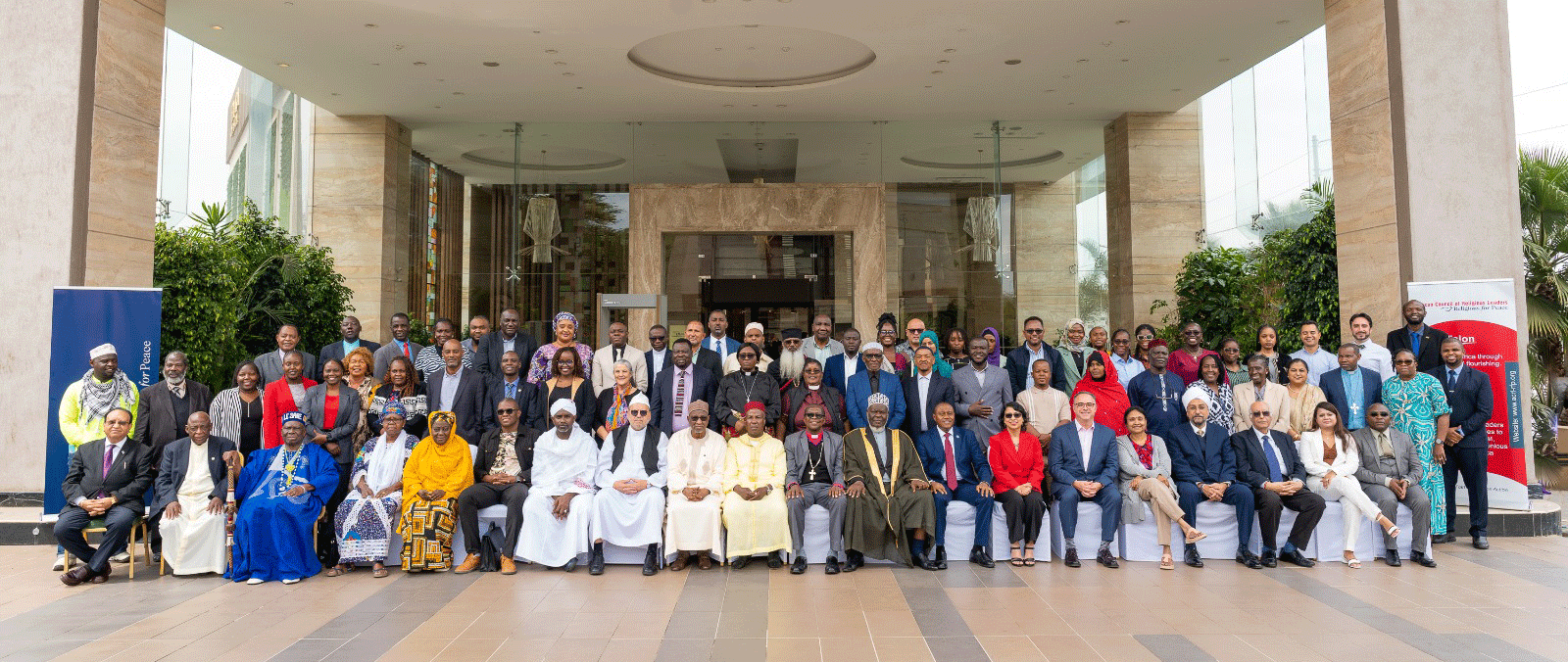
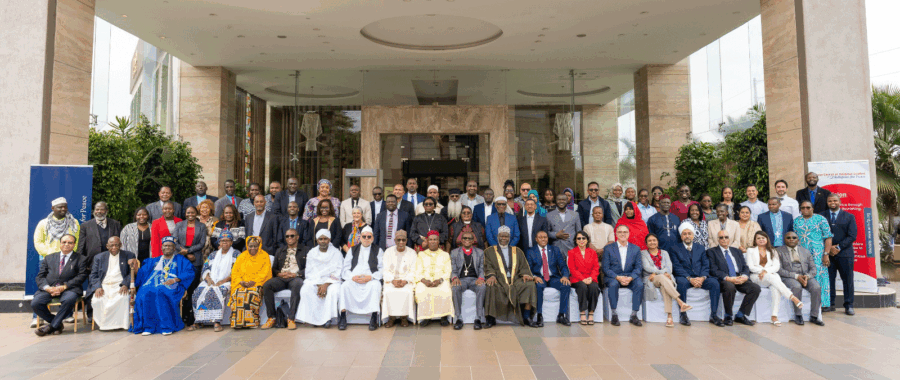
Photo: Presentation of the Shared Sacred Worldview in Nairobi, August 2025