
World Cup 2026: What Religion and Sport Teach Us About Our Shared Humanity
July 7, 2026By Yahya Tiema
Yahya Tiema is communications associate at the African Council of Religious Leaders-Religions for Peace.
Every few years, the world seems to pause. Whether it is the Olympic Games, the FIFA World Cup, or a local community tournament, sport has a remarkable ability to bring people together. For a moment, differences of race, religion, nationality, language, and culture give way to a shared experience of hope, excitement, and respect.
This power of sport is not accidental. It is deeply rooted in history.
The relationship between religion and sport stretches back thousands of years. The ancient Olympic Games, first held in Olympia, Greece, in 776 BCE, were not simply athletic contests. They formed part of a religious festival, where athletes swore sacred oaths before competing. During the Games, rival city-states observed the Olympic Truce, setting aside conflict to allow athletes and spectators to travel safely. Long before the modern peace movement, sport had already become a bridge between divided communities.
“Peace is not built only through dialogue or diplomacy. It is also built on football pitches, running tracks, basketball courts, and village playing fields, where people learn to trust, cooperate, and compete with dignity. Sport creates relationships before it creates results.”
This connection extends far beyond ancient Greece. Across Africa, traditional wrestling, running, and other indigenous games were often linked to rites of passage, harvest celebrations, and community festivals. These events strengthened social bonds, celebrated cultural identity, and reinforced values passed from one generation to the next.
Many religious traditions also recognise the importance of caring for the body alongside the mind and spirit. Christianity speaks of the body as a temple. Islam encourages physical strength and self-discipline. Hinduism and Buddhism connect physical practice with inner balance, while many African Indigenous traditions view well-being as harmony between the individual, the community, nature, and the sacred. Although their beliefs differ, these traditions share an understanding that human flourishing is holistic.

Sport reflects many of these same values. It teaches discipline, perseverance, humility, respect, teamwork, and integrity. It reminds us that excellence is earned through commitment and that true success is measured not only by victory but also by character.
Perhaps this explains why international sporting events continue to inspire billions of people. The Olympic Games bring together athletes from nearly every nation, while the FIFA World Cup unites supporters from every continent. In these moments, people celebrate without abandoning their identities. Diversity is not erased. It is embraced through shared rules, mutual respect, and common purpose.
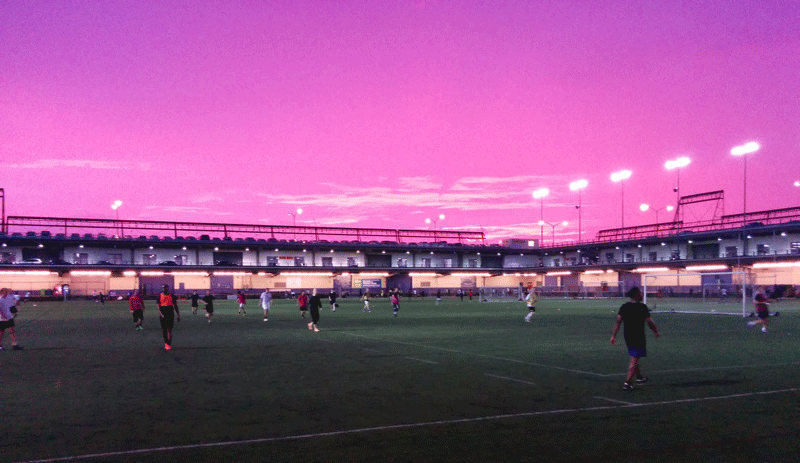
This offers an important lesson for our increasingly divided world. Peace is not built only through dialogue or diplomacy. It is also built on football pitches, running tracks, basketball courts, and village playing fields, where people learn to trust, cooperate, and compete with dignity. Sport creates relationships before it creates results.
For those committed to Shared Sacred Flourishing, this lesson is especially relevant. Flourishing begins with recognising the inherent dignity of every person and understanding that our well-being is interconnected. Every successful team depends on cooperation, trust, and shared responsibility. The same is true of peaceful societies.
Religion and sport serve different purposes, yet both invite us to become better human beings. One nurtures the spirit; the other strengthens the body and character. Together, they remind us that our greatest victories are not measured by medals or trophies, but by our ability to build communities rooted in respect, compassion, and our shared humanity.